

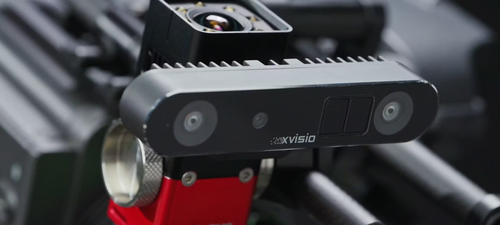
A fallback solution to support StarTracker Max’s continuous tracking in unmapped environments
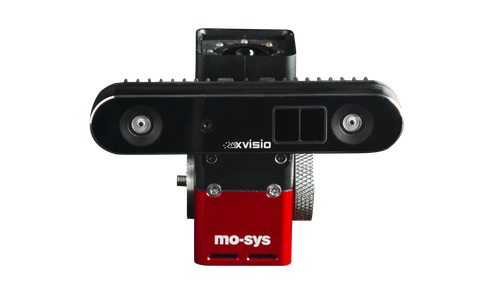
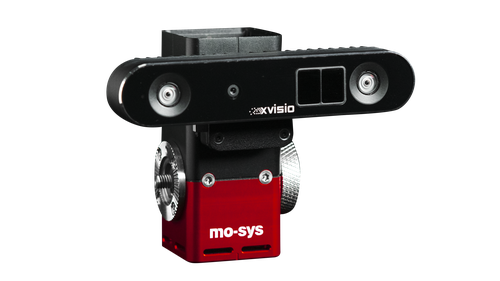
| Sensor Unit Dimensions | 119 x 23 x 24 mm (WxDxH) |
| Weight (Sensor/Processor) | 100g |
| Port | USB |
| Power Consumption | <3W (typical) |
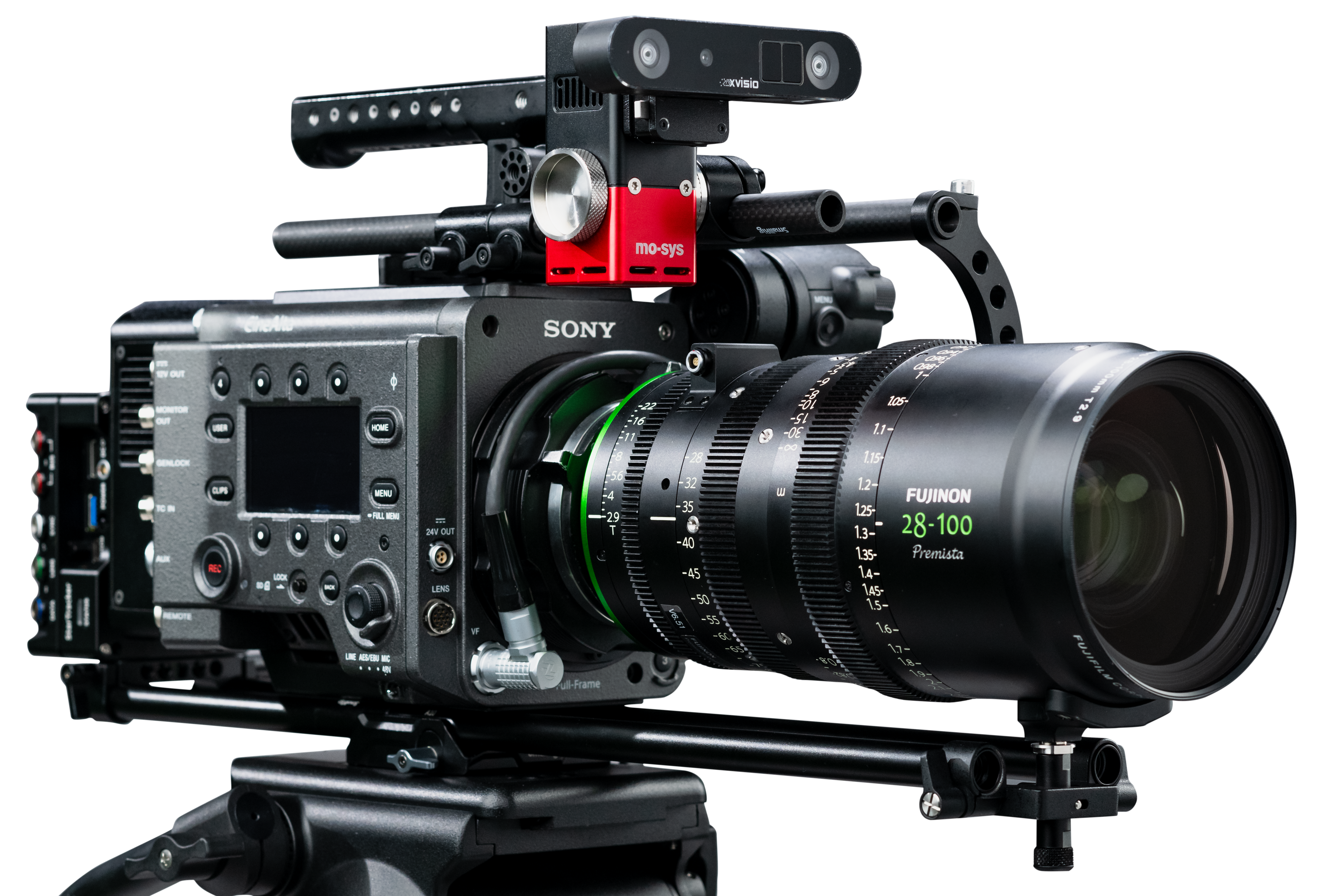
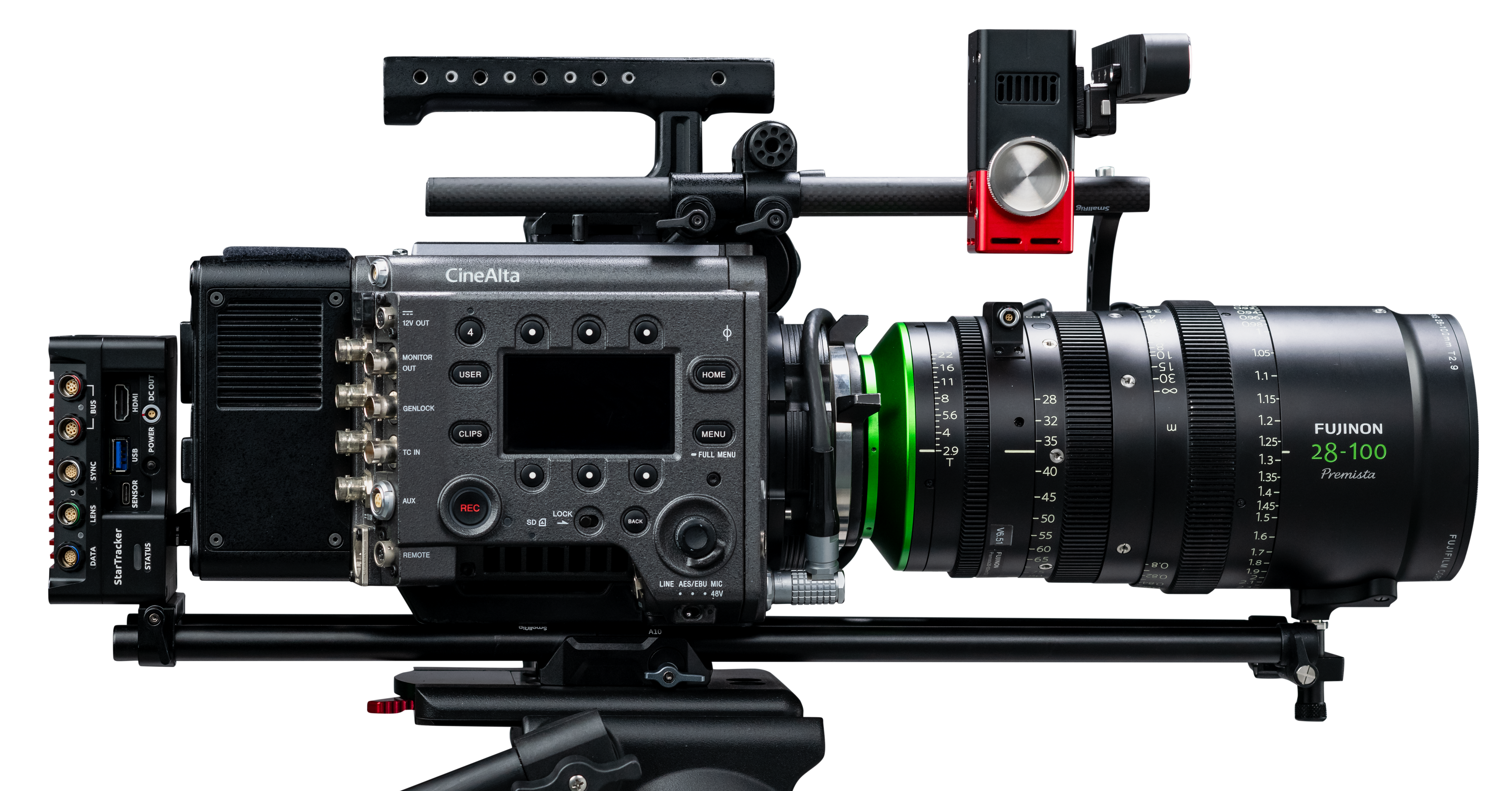
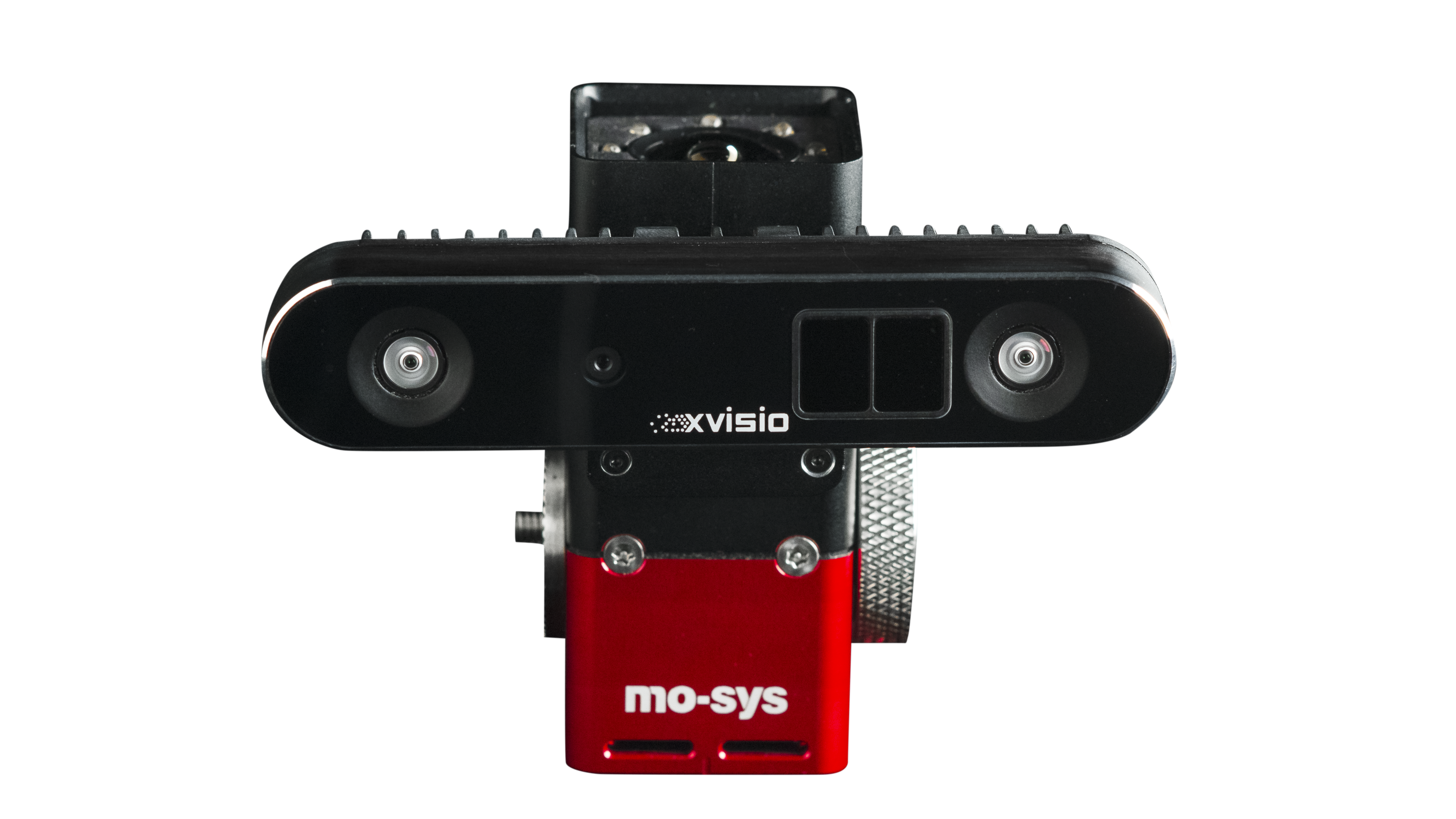
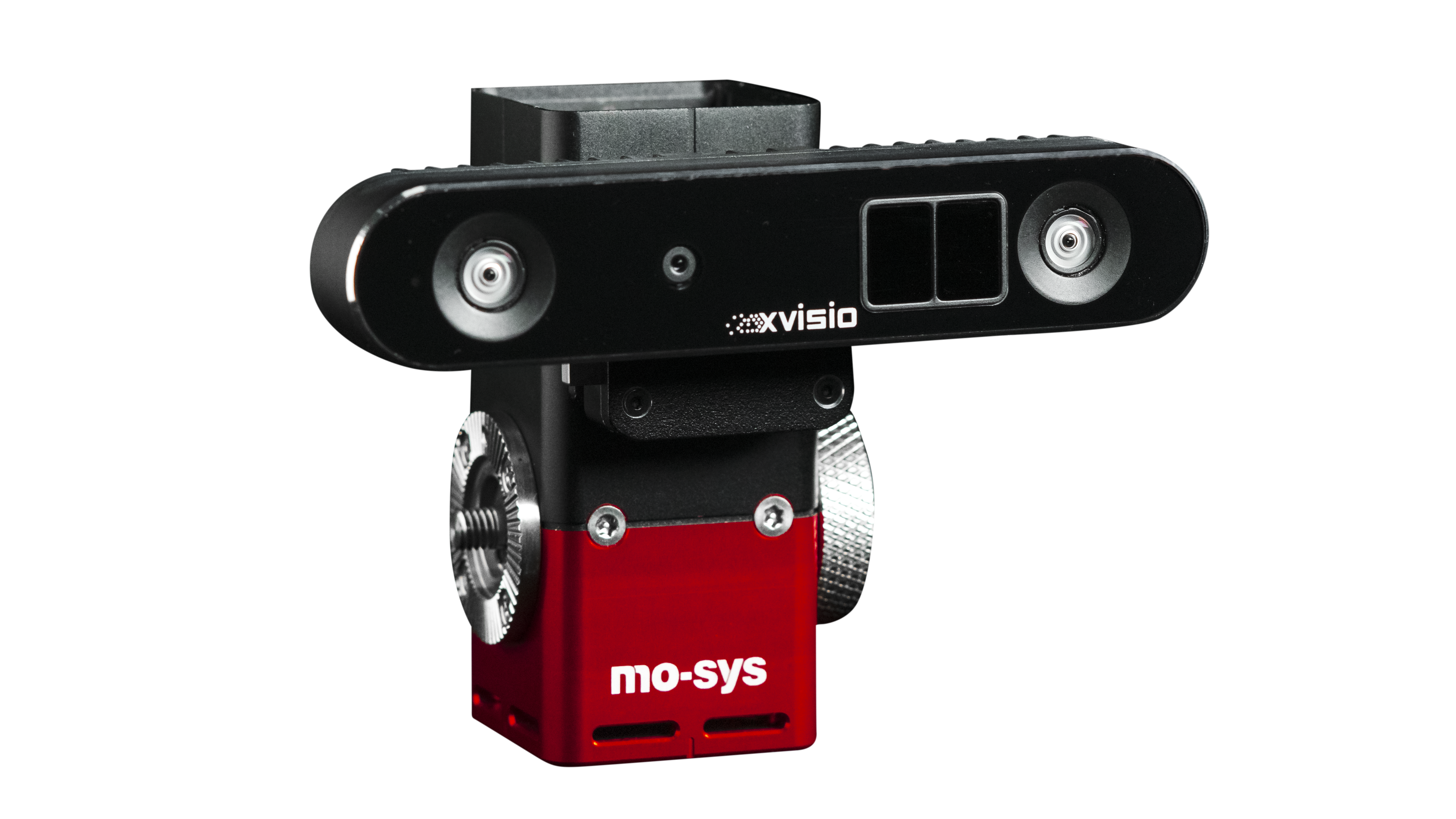
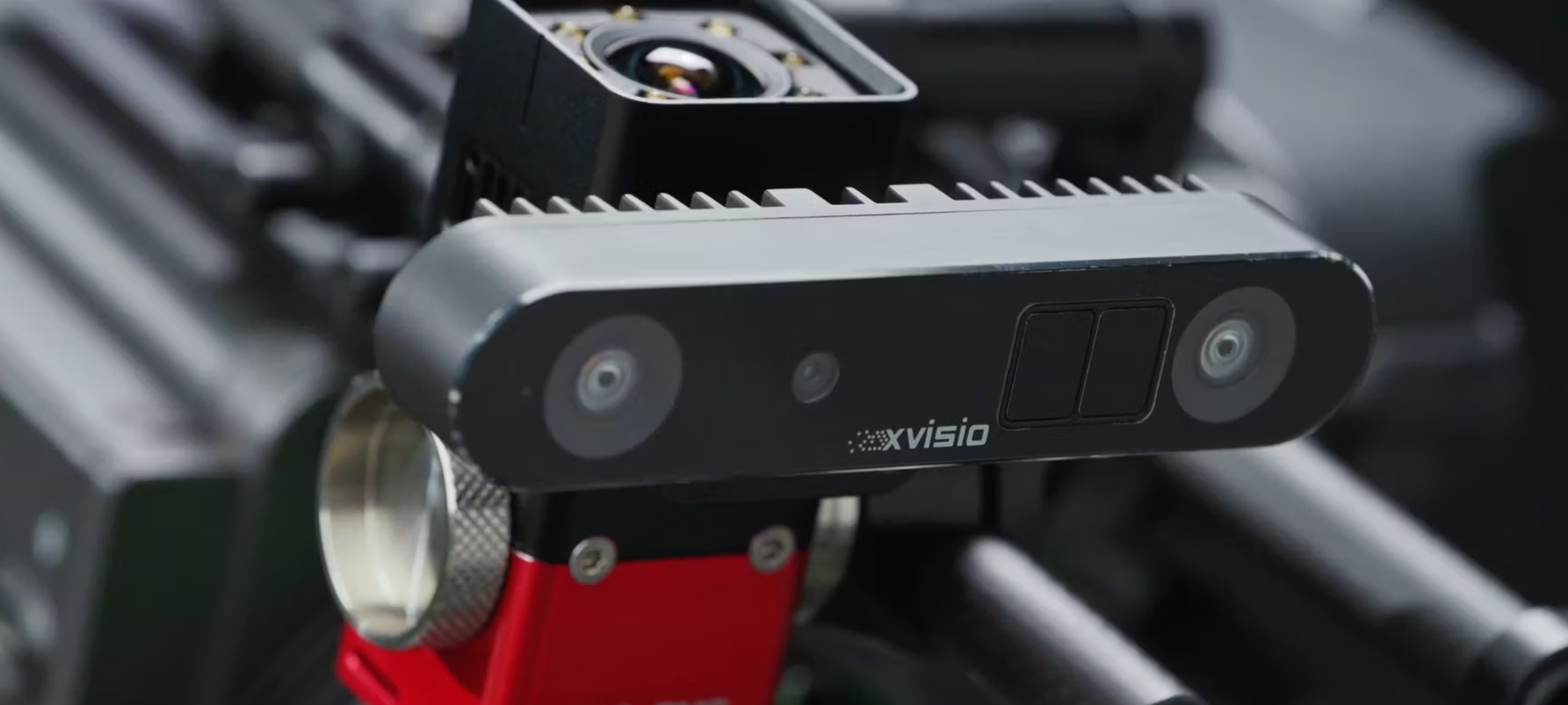
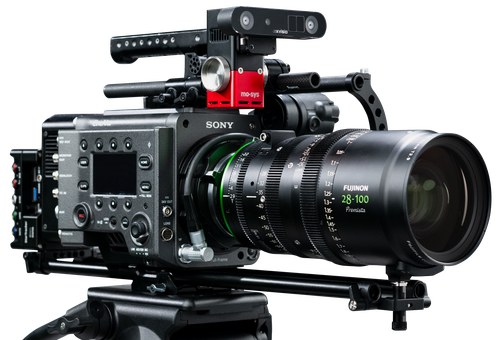
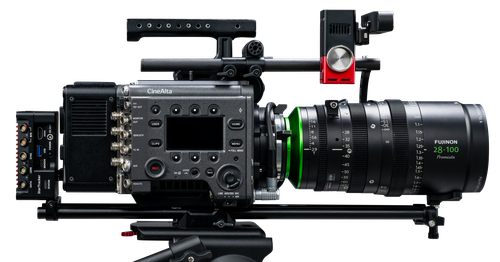
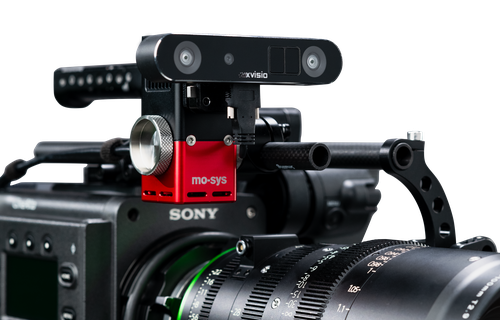
VisionMax is quickly attached to the StarTracker Max sensor module using a v-lock mount, only for the shots that need it, powered by the StarTracker Max via USB cable.
Mounting point presets on all 4 sides of the sensor (or somewhere else using custom offsets) give the flexibility to mount the sensor facing the best direction for the shoot, and it works in all sensor configurations (floor, ceiling, and horizontal).
Once the VisionMax is enabled in the browser UI, no additional calibration, operation, or homing is required.

VisionMax has been developed as a secondary fallback unit for the StarTracker Max to provide tracking data, even when all tracking stars are obscured from the field of view of the StarTracker Max sensor module.
VisionMax allows the camera to move under objects and into scene elements such as vehicles. The additional tracking data can also facilitate unplanned shooting events, such as taking the camera into areas that have not been prepared with tracking stars, or even outside for exterior shooting.
VisionMax uses vSLAM algorithms to track the camera’s position based on environmental features.
When StarTracker Max can no longer see enough stars, tracking data is instantly drawn from a fusion of the VisionMax module and the ST Max's own gyro. Once StarTracker Max has re-acquired enough stars to calculate its position, the system uses data fusion to smoothly transition optical tracking back to star tracking.

| Tracking Technology | vSLAM |
| Tracking Method | Tracks from environmental features |
| Accuracy | Some drift possible |
| Location Reference | Provided by the StarTracker Max |
| Potential Interference | Lighting levels, reflections and moving objects (e.g. LED walls) can affect tracking |
| Requirements | Needs high contrast environmental details, objects or marks to track |
| Mounting | V-lock on front, sides or back of sensor unit, or custom location/orientation (e.g. facing up) |
VisionMax can operate in environments with environmental features, but textureless surfaces such as pure green screen or blue screen can be challenging for vSLAM, so star-based tracking from StarTracker Max remains the primary solution in those studios. In LED wall virtual production, VisionMax can provide temporary tracking when the camera moves away from the LED volume into adjacent areas without stars, extending creative flexibility for directors and DoPs.
No, once VisionMax is enabled in the browser UI and initialised from star-based tracking, the process is transparent to the user and requires no separate calibration, homing or operational changes. StarTracker Max handles data fusion internally, meaning AR graphics, broadcast graphics and VFX pipelines continue to receive a single, consistent stream of camera tracking data.
VisionMax is designed to work seamlessly with StarTracker Max’s existing real-time camera tracking pipeline, ensuring minimal added latency when switching between optical star tracking and vSLAM-based environmental tracking. This continuous tracking supports dynamic handheld, Steadicam and remote camera moves in virtual production without visibly affecting AR graphics or visual effects alignment.
VisionMax attaches to the StarTracker Max sensor via a v‑lock mount and uses markerless camera tracking from natural features such as high-contrast textures, objects and environmental details. When StarTracker Max loses sight of its stars, the system automatically fuses VisionMax data with its gyro to maintain real-time camera tracking until optical star-based tracking can be resumed.
Once enabled in the StarTracker browser UI, VisionMax stands by during normal marker-based tracking and automatically takes over when the sensor can no longer see enough stars. When stars become visible again, StarTracker Max performs a smooth data fusion transition back to its absolute optical tracking system, avoiding sudden jumps in position within the virtual production workflow.
VisionMax mounts directly to the StarTracker Max sensor module using a v‑lock mounting kit, with preset points on all four sides of the sensor or custom offsets depending on the shoot configuration. It connects via USB to StarTracker Max, drawing less than 3 W of power, so it adds minimal weight and cabling complexity to your camera tracking system.
VisionMax is particularly valuable when the camera needs to move into areas where tracking stars cannot be placed, such as inside cars, under lighting silks, outdoors or into unprepared spaces beyond the LED wall volume. It keeps virtual production camera tracking operational during unplanned shooting events, providing continuity for AR graphics, broadcast graphics and VFX workflows even in dynamically changing environments.
VisionMax provides markerless camera tracking using vSLAM, but because it is relative, some drift is possible and it relies on sufficient environmental contrast and stable features for accurate tracking. Lighting changes, reflections, moving objects and LED wall graphics can affect its performance, so it is designed as a fallback to complement, not replace, absolute marker-based StarTracker Max tracking.
VisionMax is beneficial in both broadcast and cinematic virtual production environments where cameras occasionally move into areas that cannot accommodate markers, such as backstage walk-and-talk segments or exterior links. By extending the reach of the camera tracking system beyond the primary LED wall or studio space, it helps maintain coherent broadcast graphics and AR graphics wherever the camera travels.
VisionMax is a compact optical camera tracking accessory for StarTracker Max that uses vSLAM algorithms to track the camera’s position from environmental features when physical tracking stars are not visible. It acts as a secondary fallback tracking system in virtual production workflows, enabling continuous camera tracking under objects, inside vehicles or outdoors where marker-based tracking alone is impractical.
We are committed to providing unrivalled support and service, ensuring we maintain an ongoing relationship with our clients that keeps us fully engaged. For more information about how we can help your project, please contact us using the details below.
Call Us Email Us Send Us A MessageUse the contact form to let us know you’re interested in our products and someone from our helpful team will get back to you.


